
-2.png)
Most buying strategies start with speed.
“How fast will it turn?” is the default question in used-car acquisition.
But disciplined operators start with a different question:
PPO Buy Rule #2: Capital Posture Before Velocity.
Because velocity isn’t just a strategy — it’s often a symptom.

Why “fast turn” can be a trap
Fast turn is good when it’s intentional.
Fast turn is expensive when it’s forced.
When capital posture is stressed, buying gets reactive:
- You overpay for “safe” cars because you’re afraid to miss
- You buy too common because it feels liquid
- You chase velocity instead of building margin
That’s not an inventory strategy. That’s a pressure response.
Low LMDS is not about moving slower
Low LMDS (and a controlled aging profile) gives you something most dealers don’t realize they’re missing:
Options.
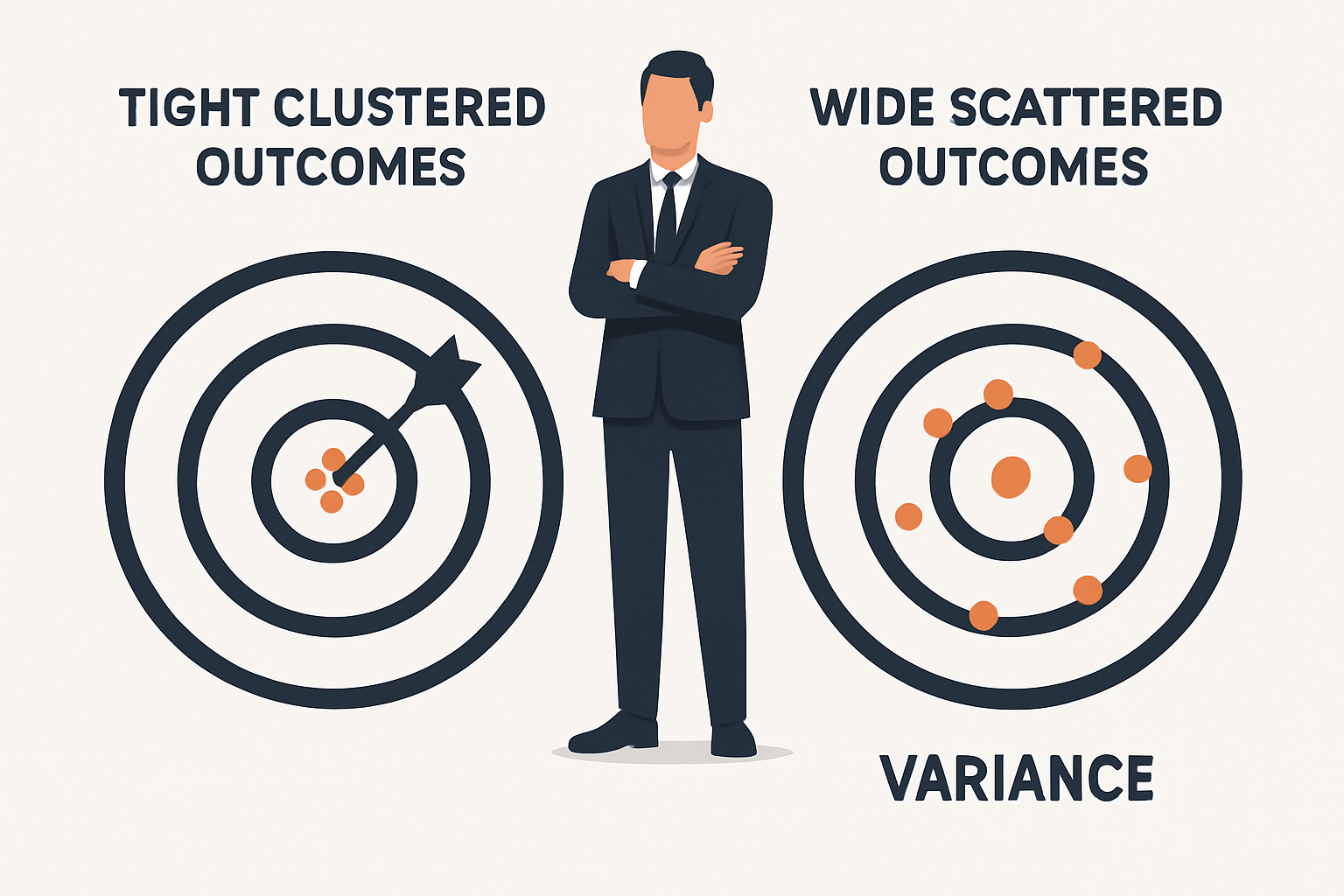
When your posture is strong, you can:
- Wait for the right units instead of filling slots
- Buy scarce inventory with confidence (Rule #1)
- Ignore price noise and act on real signals (Rule #3)
The operator playbook
Here’s a simple way to apply Rule #2 on Monday morning:
- Separate buying lanes: “scarce/proven demand” vs “commodity/common.”
- Set posture-based limits: if your LMDS is elevated, tighten risk tolerance — don’t loosen it.
- Stop buying to feel busy: buy to create leverage.
Bottom line: Capital posture determines behavior. Behavior determines profit.
Get the PPO Brief
Weekly market signals and operator tactics — pricing behavior, buy-side discipline, and what to do next.
Join the PPO Brief →PPO Buy-Side Framework: where this rule fits
- Rule #1: Scarcity Before Price
- Rule #2: Capital Posture Before Velocity (this post)
- Rule #3: Signals Before Confirmation (next)
Operator question: Are you buying to turn fast… or buying because you can afford to hold?
— Craig (Profitable Pre-Owned™)