

-1.png)
Strategic Buying Framework: Navigating Tight Wholesale Supply
When wholesale supply tightens, the market stops being priced and starts being competed for.
At the end of January, wholesale supply sat around 26.6 days. Pre-pandemic, normal was closer to the low 30s.
That gap might not sound massive on paper.
But operationally?
It changes everything about how stores have to buy.
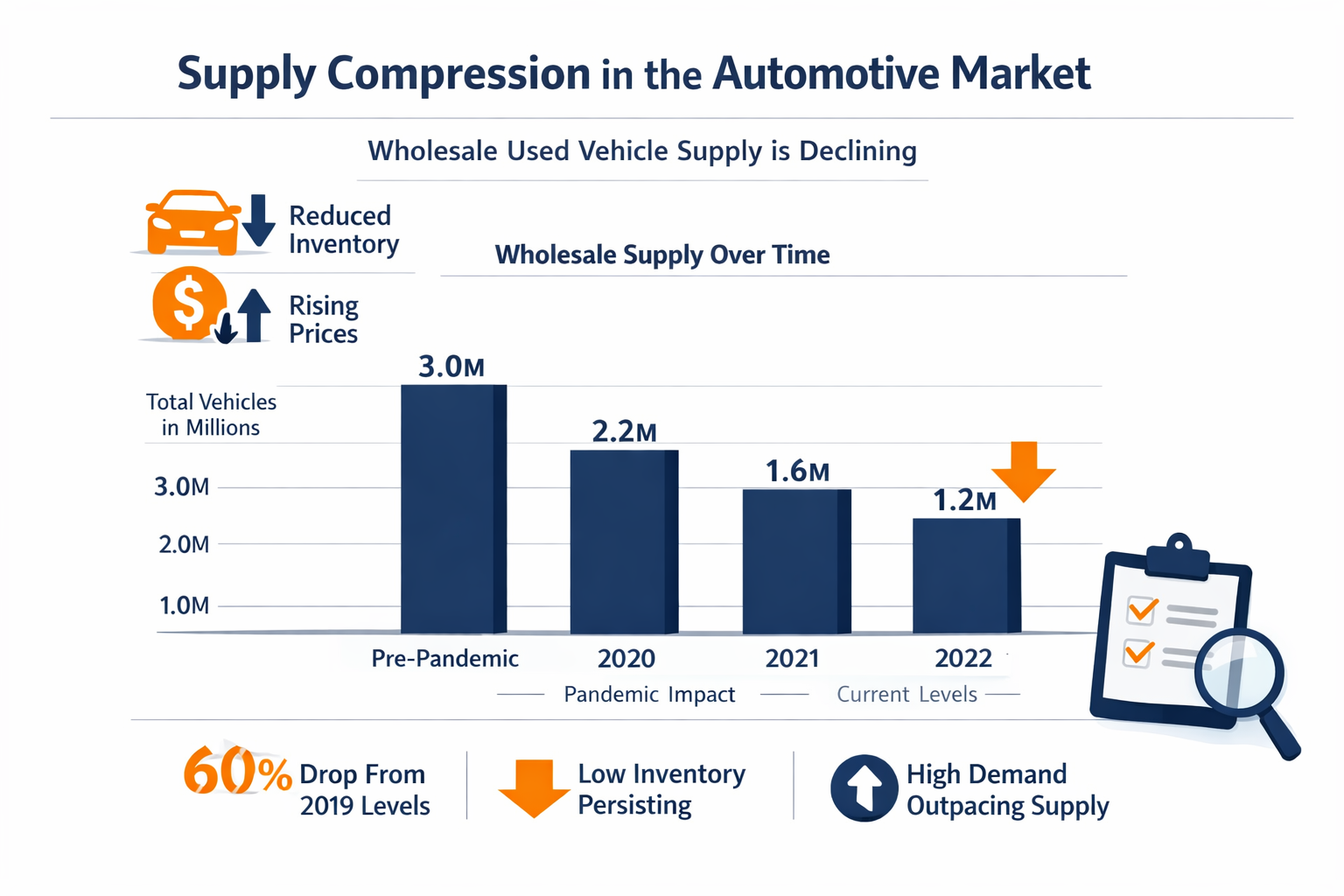
What Tight Supply Really Means for Operators
Tight supply doesn’t just raise prices.
It changes buyer behavior across the market:
- More stores competing for fewer clean units
- Less time to make acquisition decisions
- More emotional bidding late in lanes
- Higher penalty for buying the wrong car
In this environment, winning isn’t about buying more cars.
It’s about buying more certainty.
The Strategic Buying Framework for Tight Markets
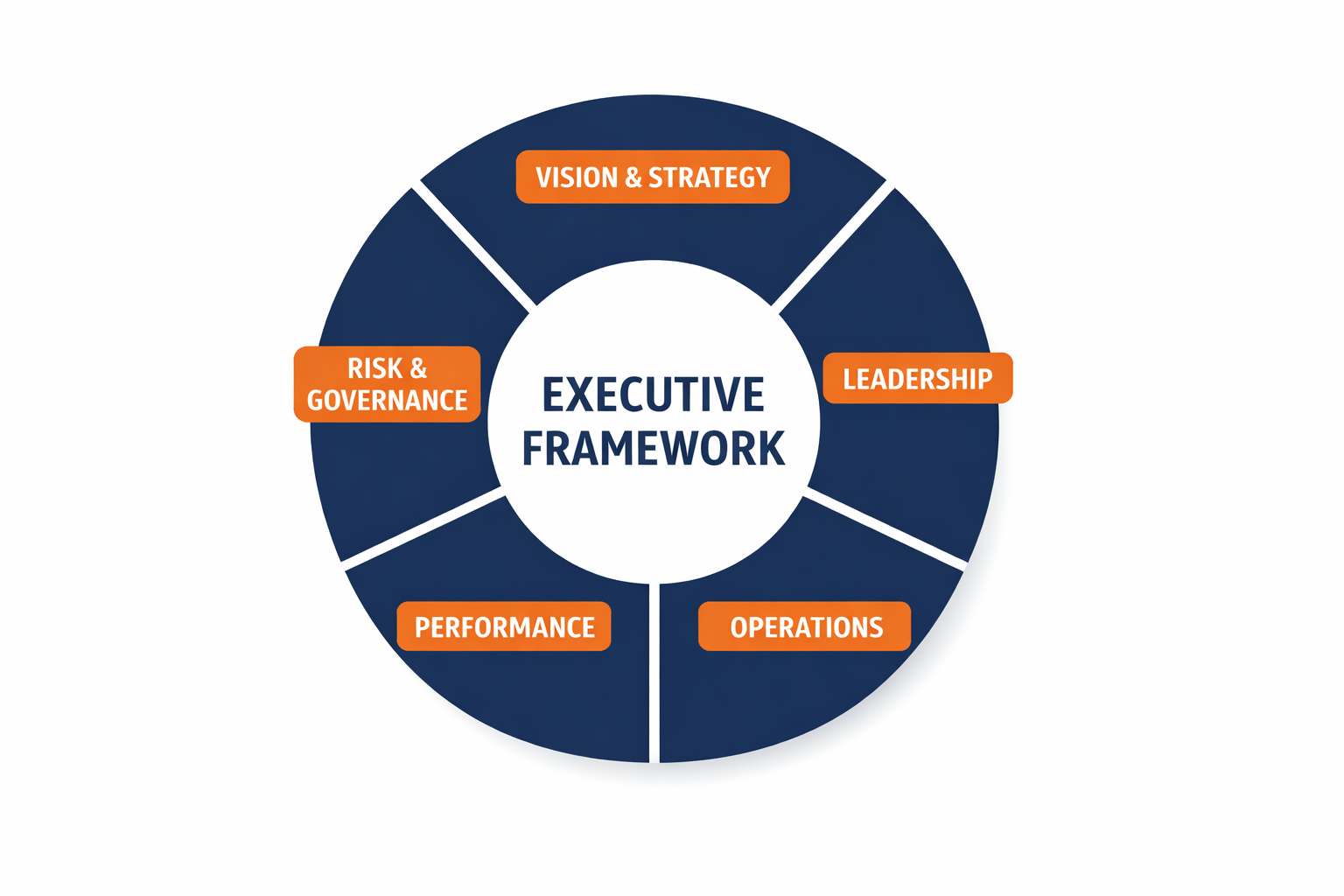
1️⃣ Segment Discipline (Buy Certainty, Not Volume)
Define 2–3 core segments where your store consistently wins:
- Fastest turn segments
- Lowest recon variability
- Highest customer confidence at retail
Set hard guardrails:
- Max mileage
- Max recon exposure
- History acceptance rules
- Condition thresholds
If supply is tight, your margin protection comes from predictability.
2️⃣ Scarcity-Adjusted Bid Discipline
Build a structured bid ladder:
- Green Zone: Buy aggressively
- Yellow Zone: Buy only if recon + history align
- Red Zone: Walk — no matter how tight the supply feels
Scarcity premiums should only apply to segments you retail fast and confidently.
3️⃣ Supply Creation Strategy (Expand the Funnel Intentionally)
In tight supply markets, you can’t rely on wholesale lanes alone.
Top operators treat supply like something they build — not something they wait for.
Trade capture and service lane acquisition create predictable volume.
Lease buyouts create relationship-driven opportunities.
Direct-from-consumer creates margin opportunities.
Digital and upstream lanes create speed when rules are trusted.
Cross-market sourcing works when logistics and titles are predictable.
The goal isn’t more buying opportunities.
It’s more predictable acquisition outcomes.
4️⃣ Risk Removal Before Price
The best operators in tight supply markets don’t just try to buy cheaper.
They reduce risk before the unit ever hits inventory:
- Recon predictability
- Frontline speed
- Condition transparency
- Retail explainability
This is the same shift we’re seeing in used EV retail — confidence is becoming the real currency.
5️⃣
Operating Cadence (Protect the Framework Weekly)
Even the best strategy fails without a rhythm that protects it.
High-performing teams review the same signals every week:
• Which segments are winning right now?
• Which segments are turning into overpay traps?
• Where are we losing speed to frontline?
• Where are we introducing unnecessary recon risk?
Strategy decides where you play.
Cadence decides whether you execute.
Frameworks only work when they become habit.
Sourcing Mix
The best operators are building controlled diversification — not random sourcing, but intentional expansion.
Trade capture and service lane acquisition create predictable volume.
Lease buyouts create relationship-driven opportunities.
Direct-from-consumer targeting creates a margin opportunity.
Digital and upstream lanes create speed when you trust the rules.
Cross-market sourcing works when logistics and titles are predictable.
The goal isn’t more sources.
The goal is a more reliable inventory flow.
The Operator Reality
Tight supply markets don’t reward aggression.
They reward clarity.
The stores protecting margin right now aren’t just pricing faster.
They’re buying smarter.
Get the Weekly Operator Signals
The Profitable Pre-Owned Brief breaks down:
- Real market signals (not headlines)
- Buying strategy adjustments operators are making now
- Early demand shifts before they show in pricing
Join operators using market signals to drive buying decisions:
Final Thought
When supply tightens, discipline stops being optional.
It becomes a competitive advantage.