

-2.png)
$23 Billion Just Hit the Market
Most dealers will call this “a strong tax season.”
That’s not what this is.
New data from the Cleveland Research Company shows:
- Weekly refunds up ~20% year-over-year
- Year-to-date refunds up ~12%
- ~$23.3 billion more in consumer cash vs last year
- Average refund up ~11–13%
That’s not sentiment.
That’s liquidity entering your market in real time.
This Isn’t Demand — It’s Buying Power
There’s a difference.
Most dealers think in terms of “traffic” or “interest.”
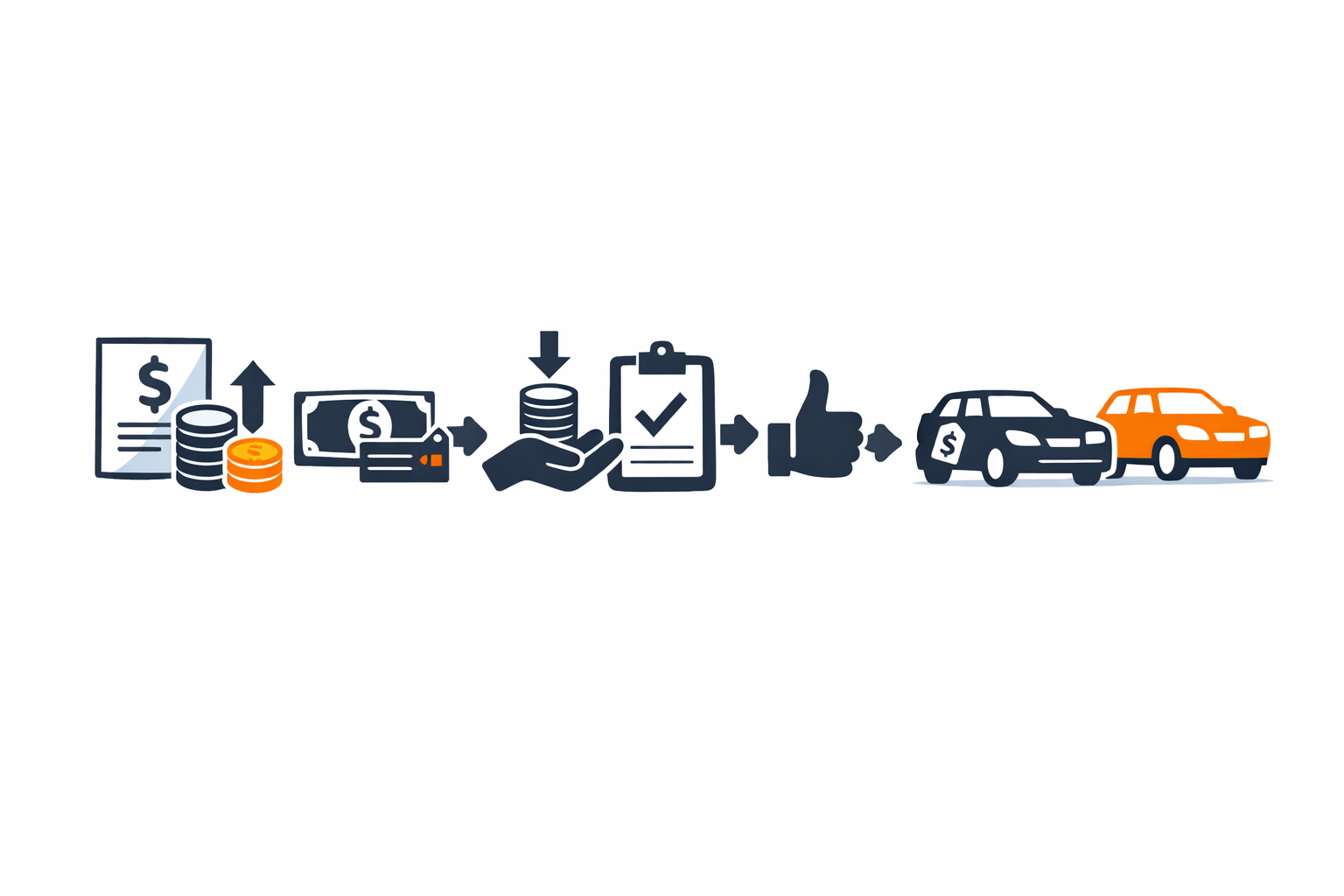
What actually moves cars is:
- Down payment strength
- Payment tolerance
- Approval likelihood
Refund season impacts all three.
Which means:
The buyer you’re talking to today is not the same buyer you had 30 days ago.
And We’re Not Even Done Yet
We’re only about 75% through the core refund window.
There is still demand coming.
But here’s the part most stores miss:
Demand doesn’t matter if your inventory and pricing aren’t aligned to it.
Where Execution Breaks Down
This is where the gap opens between average stores and operators.
1. Buy Boxes Don’t Adjust
Stores either:
- Chase volume
- Or keep buying the same inventory as last month
Neither works.
Refund-driven demand concentrates in specific price bands.
If your acquisition strategy doesn’t shift, you miss the demand, even when it’s there.
2. Pricing Cadence Is Too Slow
The market is moving weekly.
Most stores:
- Reprice once a week
- Some even less
Meanwhile:
- Demand spikes
- Competitors adjust
- Your units sit
Pricing cadence becomes a competitive advantage.
3. Listings Don’t Convert
More buyers don’t fix bad execution.
If your listings:
- Don’t tell the right story
- Don’t align to how buyers shop
- Don’t create confidence
Then more traffic just means more missed opportunities.
Get the PPO Brief Every Monday
The Profitable Pre-Owned Brief delivers weekly used-car market intelligence for operators who want sharper signals and better inventory decisions.
Subscribe to the PPO BriefWhat Strong Operators Do Right Now
This is where the shift happens.
1. They Narrow the Buy Box
They don’t chase more cars.
They align to:
- What buyers can actually afford
- Where liquidity is concentrated
That’s why the sub-$25K band continues to outperform.
2. They Increase Pricing Frequency
Not weekly.
Daily.
Because demand signals are changing faster than most stores react.
3. They Treat Listings as a Conversion Tool
Not a placeholder.
When demand spikes:
- Attention becomes competitive
- Confidence becomes the differentiator
The operators who win make the decision easier for the buyer.
The Real Opportunity (And Risk)
Most dealers will benefit from this.
Very few will maximize it.
Because they’ll treat this as:
“Tax season is strong.”
Instead of what it actually is:
👉 A temporary liquidity window.
And windows close.
If You’re Not Adjusting — You’re Leaving Margin Behind
The stores that win over the next 30–45 days will not be the ones with the most inventory.
They’ll be the ones who:
- Buy inside the demand curve
- Price inside the market
- Execute at the listing level