
.png)

Used Car Demand Isn’t Growing—It’s Shifting Down Market
Something doesn’t add up in today’s auto market.
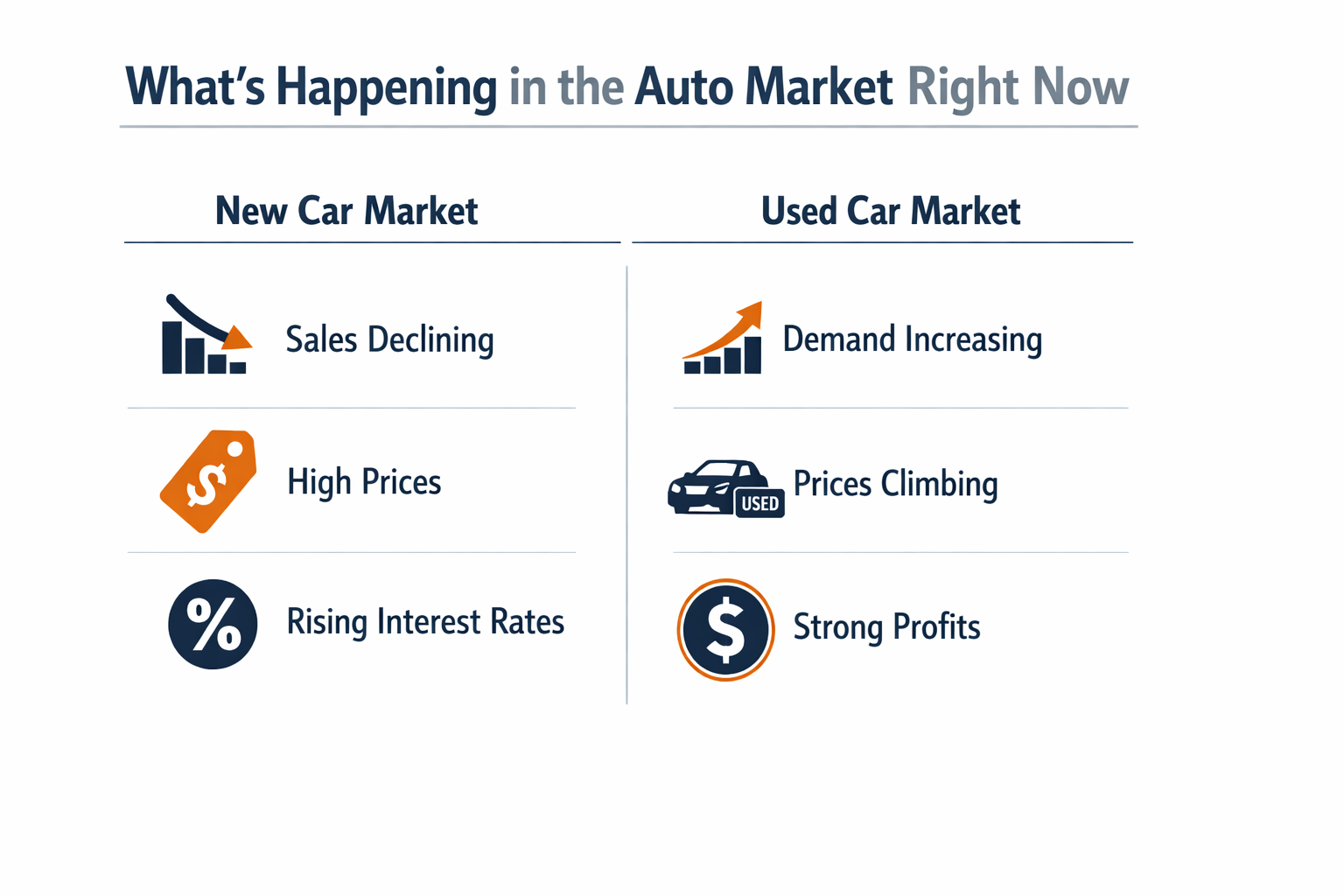
New vehicle demand remains soft. Affordability is still a major constraint. Interest rates are elevated.
And yet… used car demand is improving.
Recent dealer feedback and market data point to a clear shift happening right now. But it’s not what most operators think.
This Isn’t a Demand Surge. It’s a Demand Shift.
At first glance, improving used car demand looks like a positive market signal.
But a closer look tells a different story.
- Demand is strongest in lower-priced, higher-mileage vehicles
- Consumers are trading down from new to used
- Lower-income buyers are becoming more active
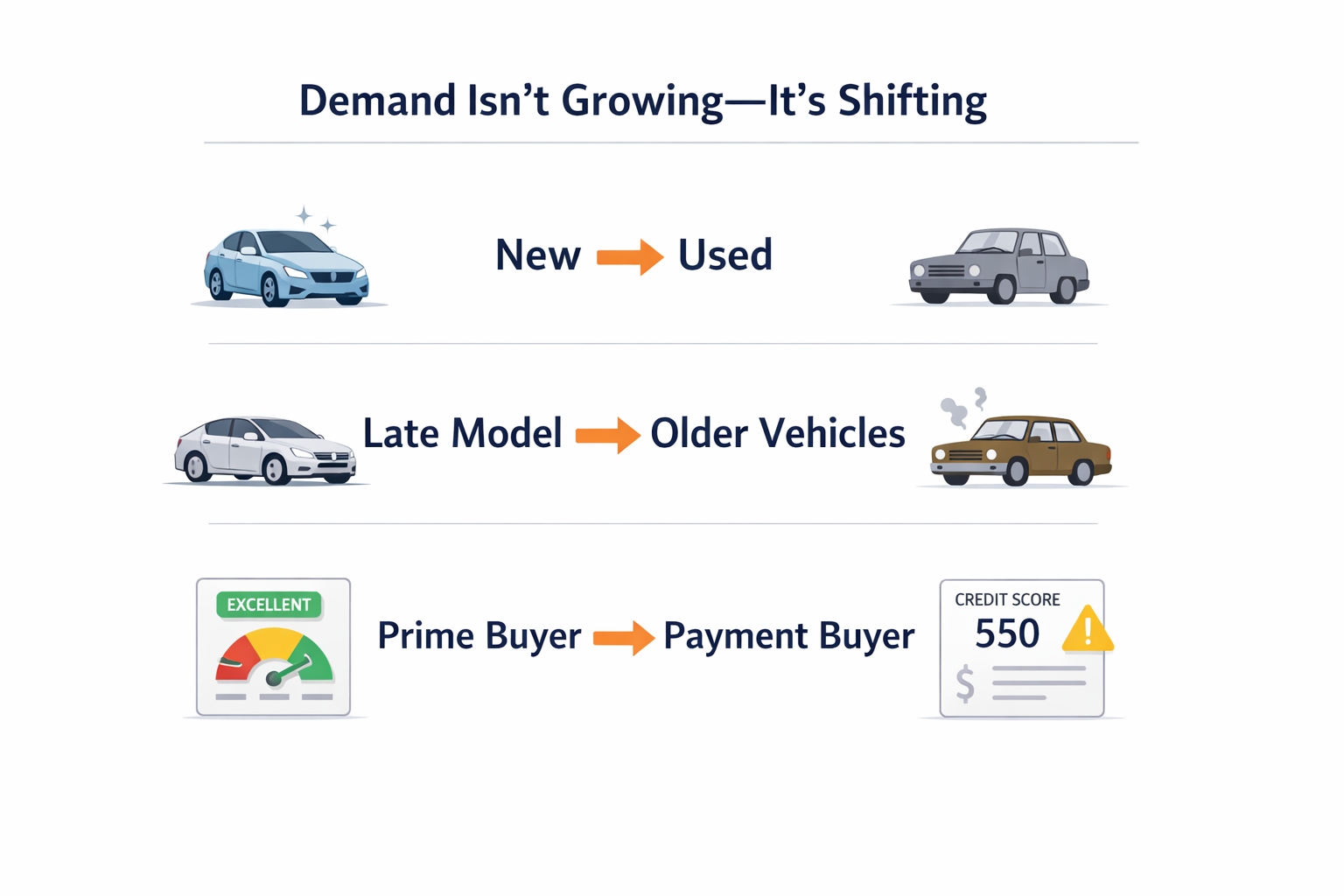
This is not broad-based demand growth.
This is demand compressing into the only price bands where transactions still work.
The Role of Tax Refund Season
One of the biggest drivers behind the recent demand improvement is simple: liquidity.
Tax refunds are up year-over-year, with both total dollars and average refund size increasing.
That means more cash in the system right now.
- Higher down payments
- Improved loan performance
- More approvals getting done
The buyer hasn’t changed.
Their balance sheet has.

Why Fixed Ops Is Quietly Winning
This same liquidity surge is also showing up in fixed operations.
Dealers are reporting stronger-than-expected service revenue and gross profit.
But this isn’t just a seasonal bump.
It’s part of a larger structural shift:
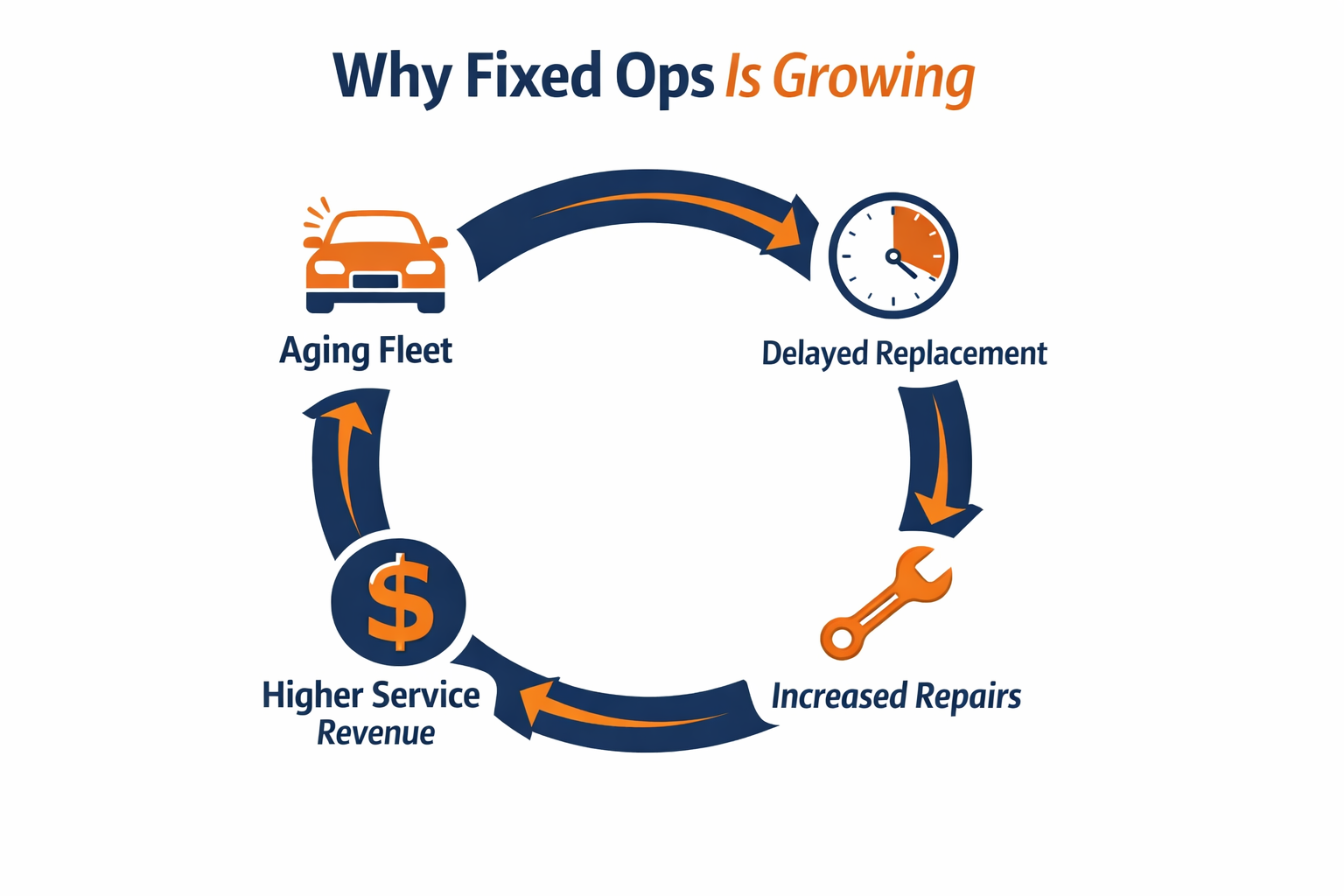
- Consumers are holding vehicles longer
- Replacement cycles are extending
- Repair is becoming the default decision
Get the PPO Brief Every Monday
The Profitable Pre-Owned Brief delivers weekly used-car market intelligence for operators who want sharper signals and better inventory decisions.
Subscribe to the PPO BriefNew Car Demand Remains Fragile
While used demand is improving, new vehicle sales are still facing headwinds:
- Affordability constraints
- Weak consumer sentiment
- Slowing EV demand without incentives

In many cases, new vehicle demand is proving to be highly dependent on incentives, tax credits, and favorable financing.
Remove those… and demand softens quickly.
The Operator Takeaway
The most important takeaway is this:
Demand didn’t grow. It moved.
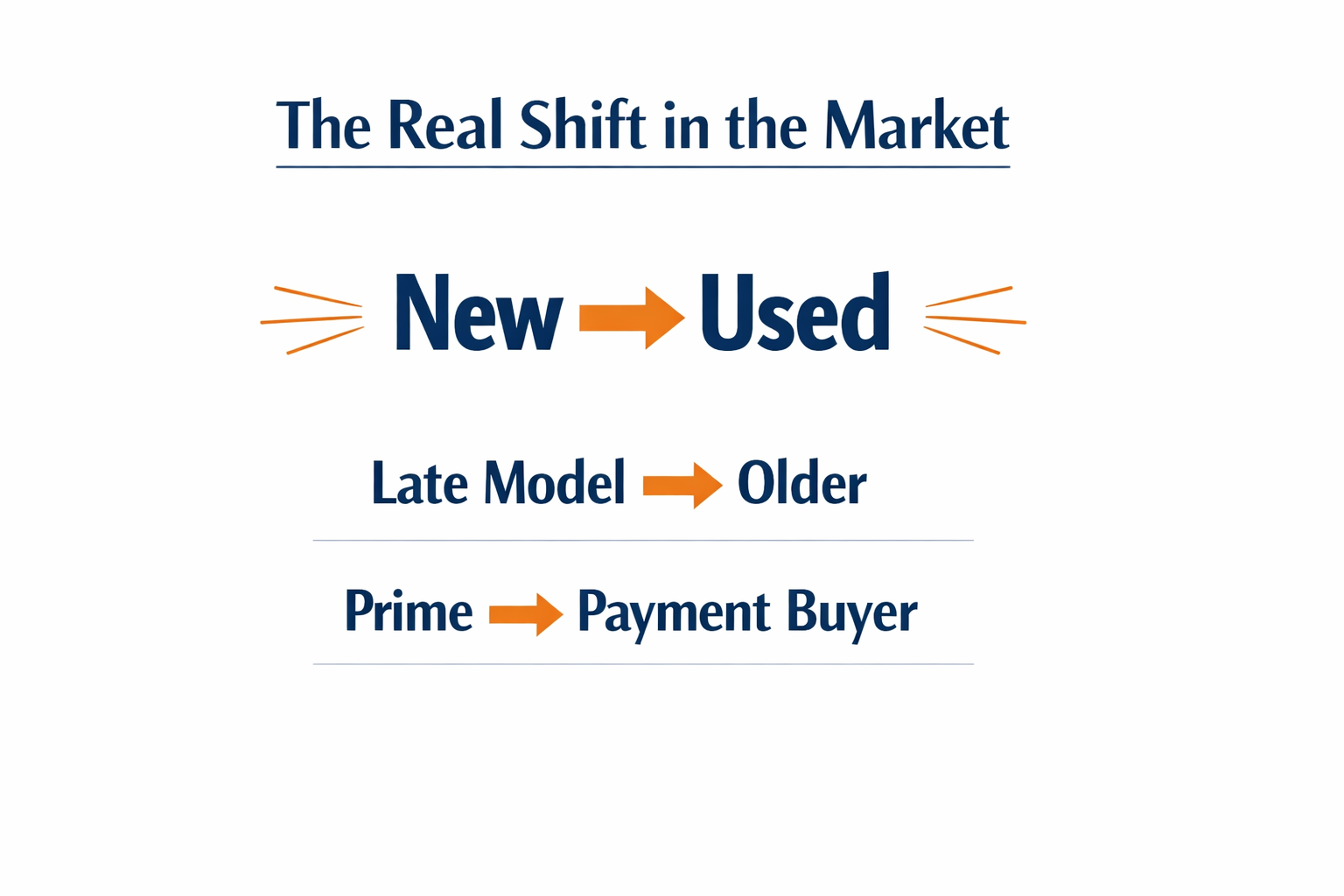
- New → Used
- Late model → Older vehicles
- Prime buyers → Payment-driven buyers
This creates opportunity—but only for operators who recognize the shift early.
The next 30–45 days represent a window where liquidity is temporarily improving buyer capability.
But when that fades, affordability constraints will return to the forefront.
What This Means for Inventory Strategy
Dealers who win in this environment will:
- Align inventory to current payment realities
- Focus on acquisition in the right price bands
- Adjust quickly as demand shifts back
This isn’t a market recovery.
It’s a repositioning.
And operators who understand the difference will outperform.
.png)
.png)
.png)