

.png)
The Rugby Dad Who Used ChatGPT to Track a Vehicle’s History (and Every Price Change)
I had a conversation recently that stopped me in my tracks.
Not with a dealer. Not with a vendor. Not even with a “car guy.”
It was with a rugby dad—a normal, analytical buyer shopping for a used car—who was using ChatGPT as his co-pilot. What he showed me should make every used-car operator pause.

What the Rugby Dad Actually Did
Here’s how he used ChatGPT during his search:
- Copied vehicle listing URLs into ChatGPT
- Asked it to summarize how long the vehicle had been listed online
- Tracked how many times the price changed
- Flagged listings that looked suspicious or inefficient, like:
- Vehicles that bounced between multiple rooftops
- Units that sat too long without movement
- Erratic or reactive pricing patterns
In other words… he turned raw listings into decision intelligence. No subscriptions. No insider tools. Just AI + public data.
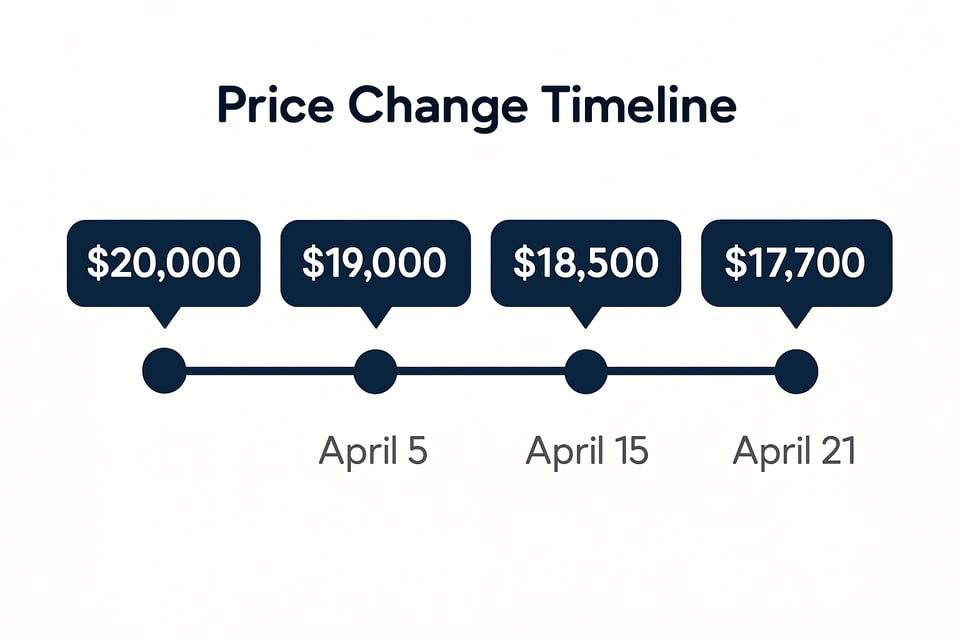
Why This Matters (and Why It’s a Wake-Up Call)
Dealers often say, “Customers don’t really understand pricing.” That’s becoming less true every month.
What buyers are doing now:
- Filtering, not browsing
- Evaluating listing behavior, not just price
- Interpreting signals like age, price volatility, and market confidence
This rugby dad didn’t ask, “Is this a good deal?” He asked: “Why hasn’t this car sold?” That’s a completely different mindset.

The Bigger Shift: AI Is Collapsing Information Asymmetry
For decades, dealers controlled the context: time-in-stock awareness, pricing visibility, and market nuance.
AI is punching holes in that wall. Today, a shopper can:
- Reverse-engineer your pricing cadence
- Spot indecision or internal pressure
- Infer confidence from how the listing behaves
And this happens before they ever submit a lead.
What Dealers Should Take Away
This isn’t about fear. It’s about discipline. Best practices still win—but now they’re visible.
What wins in an AI-transparent market:
- Clean acquisition
- Tight age policies
- Intentional price moves
- Consistent merchandising
- Clear velocity targets
What gets punished:
- Lazy pricing
- “Let’s try this number” thinking
- Over-aged inventory without a story
- Reactive price drops with no plan
AI doesn’t create bad operations—it exposes them.
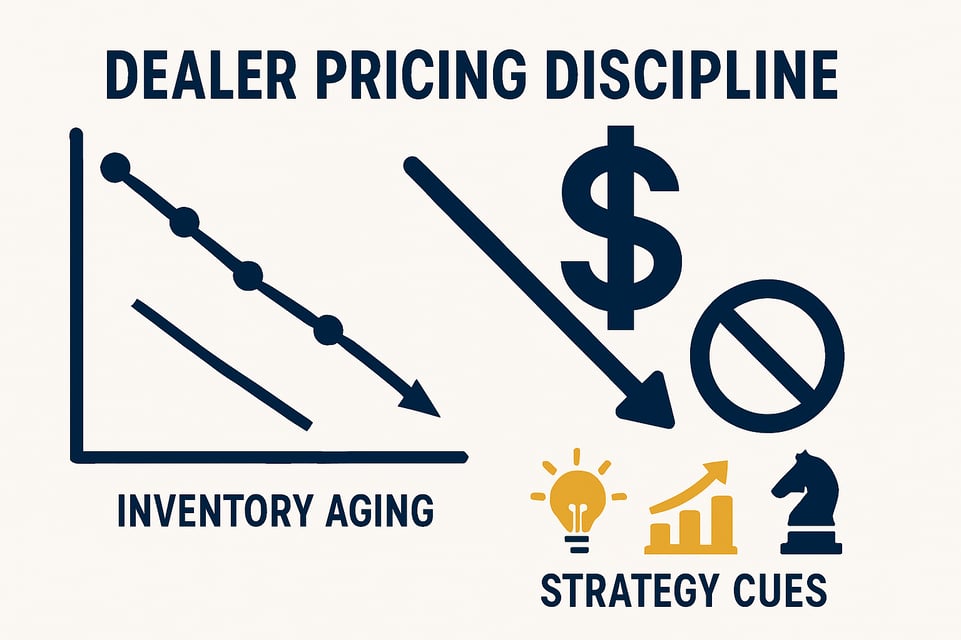
The Quiet Truth
The rugby dad didn’t use AI to “beat the dealer.” He used AI to avoid uncertainty.
Buyers don’t want negotiation leverage—they want confidence. And AI is becoming the fastest way to find it.
The Mic-Drop
The next generation of customers won’t ask: “What’s your best price?”
They’ll already know:
- How long you’ve owned it
- How confident are you in it
- Whether you believe in the number
Before you ever say hello.
Buyers Are Using AI. Are You?
If customers can analyze your pricing behavior with ChatGPT, imagine what disciplined operators can do with the right execution framework.
Get tactical insights on pricing, velocity, and inventory discipline—before the market forces your hand.
FAQ: What Can ChatGPT Really Tell a Shopper About a Used Car Listing?
Can ChatGPT see pricing history?
Not directly—unless the shopper provides the data (screenshots, notes, or a timeline). But it can organize and interpret patterns fast.
Can it estimate how long a car has been listed?
If a listing platform shows first-seen dates or if the shopper tracks it over time, ChatGPT can summarize and flag “stale listing” signals.
What does this mean for dealers?
Operational discipline matters more—because the signals buyers used to miss are now easy to interpret with AI.